Career in Musics:-
A musician (or instrumentalist) is a person who plays a musical instrument or is musically talented. Anyone who composes, conducts, or performs music may also be referred to as a musician. Musicians can specialize in any musical style, and some musicians play in a variety of different styles.
Career in music has become very popular among the younger generation. Many institutes offer different types of courses in music. One can also learn music from a guru without joining any educational institute. Many online courses have also become popular in recent times.

B Arts Music, B Arts (Hons) Music, B Arts (Music/Dance and Drama)
B Arts in Instrumental like Table, Sitar, etc.
MA, M Phil and PhD courses are also available in Music.
Career in Fashion Designer:-
Most fashion designers have a bachelor's degree in fashion design or fashionmerchandising. In these programs, they learn about textiles and fabrics and how to use computer-aided design (CAD) technology.They also are able to work on projects that can be added to their portfolio, which showcases their designs.
For many artists,including fashion designers,developing a portfolio-a collection of design ideas that demonstrates their styles and abilities-is essential because employers rely heavily on a designer's portfolio in deciding whether to hire the individual. For employers, it is an opportunity to gauge talent and creativity. Students studying fashion design often have opportunities to enter their designs in student or amateur contests, helping them to develop their portfolios.

The National Association of Schools of Art and Design accredits approximately 320 postsecondary institutions with programs in art and design, and many of these schools award degrees in fashion design. Many schools require students to have completed basic art and design courses before they enter a program.
Applicants usually have to submit sketches and other examples of their artistic ability.
Other Experience
Fashion designers often gain their initial experience in the fashion industry through internships or by working as an assistant designer. Internships provide aspiring fashion designers an opportunity to experience the design process, building their knowledge of textiles and colors and how the industry works.
Advancement for Fashion Designers
Experienced designers may advance to chief designer, design department head, creative director, or another supervisory position in which they oversee certain fashion lines or company brands.


Some experienced designers may start their own design company or sell their designs in their own retail stores. A few of the most successful designers work for high-fashion design houses that offer personalized design services to their clients.
Career in Pilot:-
Pilots are highly trained and skilled professionals. They can fly various aircraft and helicopters. Flying does not require much physical effort but the mental stress of being responsible for a safe flight of an aircraft full of passengers in all kinds of weather can be demanding. Before take-off the pilot must prepare a flight plan, study the weather, make sure that the aircraft is airworthy, check that the cargo and fuel are safely loaded and work out estimated arrival time.
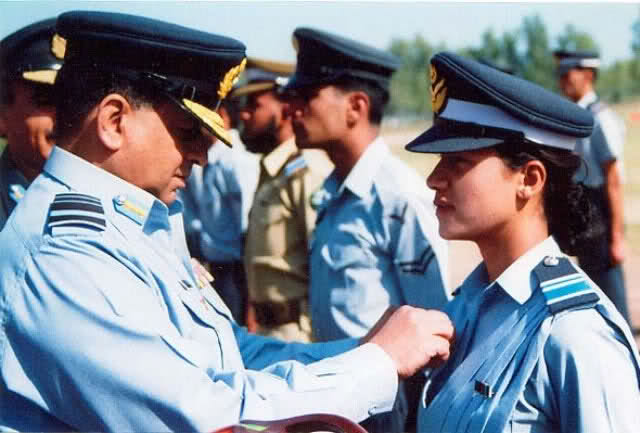
Pilots can work as few a 8 days in a month, to as many as 20. While pilots at a major airline might work 14 days in a month, you must keep in mind that they are not coming home from work on those 14 days.
Pilot need to be physical and mentally fit and have good eye sight and color vision
Every year, Directorate General of Civil Aviation (DGCA) will conduct pilot license examination in Delhi, Mumbai, Kolkata, Chennai, Ahmedabad, Patna, Guwahati, Bhopal, IGRUA, Bhubaneshwar, Hyderabad, Bangalore, & Kochi. If anyone is interfered to join for Indian Air Force (IAF), they need to clear the NDA examination.
Career opportunities:
Airline flying has the highest salary and most amount of benefits. Some of these are corporate aviation (flying company airplanes), agricultural flying (crop dusting), and you could fly full time in the military. Regional (or commuter) airlines also employ pilots, although the pay scales and working conditions are not like the major airlines.
One can get jobs at AirIndia, SpiceJet, Lufthansa, Jet Airways, AirAsia, IndiGo, National Aviation Company of India and many more.
Requirements:
Candidates who are applying for pilot training license, must undergo a medical test.
Candidates should meet the requirements set by the DGCA.
There is no need to be in perfect health to be a commercial pilot, but to get a job as an army pilot and other public sector pilots, perfect health is mandatory.
Who can become pilot:
Candidates whose age is above 18 years. Candidates who have passed 10+2 in science discipline with Physics and Mathematics as compulsory subjects. Candidates who have passed diploma in any engineering discipline. Candidates who have passed bachelor's degree in science with Physics and Mathematics as compulsory subjects.
Career in Railway:-
There is no doubt that a Career In Indian Railway is extremely attractive and it also promises a fantastic career in govt. sector. It is a hot career in this present era so that scope and demand of this profession is increasing rapidly. Indian railway is growing day by day and enhances their areas. Candidates if you want to make their career in Govt. sector then Career In Indian Railway is a good option to get Govt. Jobs. Here we have discussed the various career opportunities and Job Prospects After 12th /Graduation with high Salary Structure.
Indian Railways is a largest and never ending network in the country India. Candidates who are qualify the 12th/Graduation and want to make their in Career In Indian Railway, There are a lots of job opportunities in Railway sector for you. The candidates who get selected in the Indian railway do not need to look back in their career as far as safety, security, and salary structure are concerned. A Career In Indian Railway after 12th/Graduation is one of the prestigious and preferred options considered by the youth in India.

Railway Exam Eligibility Criteria
Career In Indian Railway After 12th:
After the 12th passed you can apply for the Railways department job posts under the non-technical field of Group D. The following are the railway jobs available for 12th Standard candidates:
Lower Division Clerk
Station Master
Railway Constable
Engine Driver
Track man
Store Keeper
Signal Maintenance
Railway Ticket Collector
Railway Constable
Railway clerk
Assistant Loco pilot
Helpers
Goods guards
Typist etc..
Indian Railway Recruitment
Career In Indian Railway After Graduation:
After graduation, candidates can get lots of job options in Indian Railway. Bachelor degree in Engineering with Mechanical / Electronics or communication branch would open door for better jobs in Indian Railways for you. List of career opportunities for graduation pass candidates in railway sector are as follows:
Commercial Apprentice
Traffic Apprentice
ECRC
Goods Guard
Traffic Assistant
Sr. Clerk cum Typist
Jr. Accounts Assistant cum Typist
Assistant Station Master (ASM) etc...
Career in Singing:-
In today's connected and technologically influenced world, aspiring artists have a lot more power and influence in launching their own careers than artists have had in the past. Now, emerging musicians have to be much more focused on promoting themselves and their music rather than waiting to "get discovered." If you love to sing and believe that you have what it takes to sing professionally, mastering your craft, along with being resourceful and performing any chance you get, can greatly increase your chances of reaching your big break!
Building Your Singing Skills
1.Cultivate your talent.
Please put any image related to starting singing
You need to discover who you are as a singer and performer before you begin trying to launch your singing career. Start out by experimenting singing different genres of music. This will help you figure out what kind of singing style comes naturally to you. Take note of things you learn about yourself as a singer, for example: your vocal range, singing styles that are easier and more difficult to pull off, and what wears out your voice.

You also need to figure out what kind of performing works best for you; do you work better singing solo, as a lead singer, or as a backup singer? Do you prefer performing in front of small, intimate crowds, or louder, more rambunctious crowds? Figuring out the answers to these questions can further develop your act, image, and set of skills as a singer. Some other questions you might want to address about yourself are:
How good is your ear for music? This means: are you able to sing in tune? Can you recognize and feel rhythm in songs? Can you hear a melody once and sing it back correctly?
2 Take voice lessons.
You want to learn how to bring out the best in your voice.
Hiring a vocal coach can help you reach your greatest potential. Vocal coaches can remedy poor technique while addressing your strong and weak areas as a singer.With a voice coach, you can practice increasing your range as well as experimenting with your vocal dexterity in front of someone who can offer valuable feedback. This practice and guidance will ultimately help build up your confidence in your singing abilities.
If you can't find a vocal coach that you feel comfortable with, consider taking online signing classes. Although online classes don't provide a person to person learning experience, they can introduce you to foundational singing techniques.
Just be wary of online webpages that advertise themselves as singing review sites. These sites are usually scams and peddle products to unsuspecting customers. You should be very suspicious of sites like these.
3.Learn to read sheet music.
In the music industry, if you want to be considered a professional, you need to be ready to sing whatever someone puts in front of you. This could mean singing off a piece of sheet music. If this happens, you are going to be expected to read and follow along effortlessly.
Prepare yourself now, so you can be ready to go when the time comes.
4.Learn an instrument.
Insert any pic which is performe your song on stage
Learn to play the piano or guitar so you can be a multi-faceted artist, and perform more independently. Learning an instrument also helps you play underlying notes in songs, which can give your performance a unique addition. It's also a plus to learn an instrument so you only have to depend on yourself to perform, lowering your risk of having last minute performance issues, like your guitarist not showing up.
All in all, figure out the materials you need to pull off a live performance. This will solidify your presence on stage, help create your image, establish your individual sound, and draw in your unique audience following.
5.Do your research.
Analyze performances of some of your favorite singers.Look up
videos of live performances, and take note of their stage presence. How do they connect with their audience? It may be helpful to watch these performances on mute, so you can concentrate on their movements and expressions. These might be characteristics you want to emulate in your performances.
It could also be helpful to research your favorite singers and musicians and see how they got to where they are today. What training did they do before they made it big? Who influenced their decision to follow their dream? What obstacles did they face, and how did they conquer them?
Doing some research can provide you with background knowledge about how other people in your position have found success in your anticipated field.
Perfomance :-
1.Perform and sing as often as possible.
Performing often will increase your confidence in front of a mic, and expose you to various audience settings. You can start out small with joining church choirs or acapella troupes, singing at bars and nightclubs, or simply performing at karaoke night.
Starting out with small performances is a good place to begin before moving onto bigger gigs, but there are other ways that you can perform too.
2.Perform at colleges and universities.
Use the college directory to contact the events department, and see if you can perform at gathering on campus. For example, colleges often look for singers to perform the National Anthem at their varsity sports games.
3.Sing backup on someone else's demo.

Some artists and songwriters in your area might need singers to sing backup on their demo. Ask around and reach out to these artist and ask if they looking for any extra singers. If they need an example of how you sing, send them your demo or set up a time and place where you can perform a song for them.
If someone agrees to let you sing on their demo, see if they will allow you to use their song (which you sang backup on) as a project for your personal portfolio.
4.Audition as much as you can.
Audition a lot so you can get comfortable performing on the spot and preparing your quick pitch to producers and managers. It might even be a good idea to audition for theatre groups and singing troupes.
.That way, you can get experience working and performing on stage as well as getting into a network of performers.
5.Record a demo CD.
Having a demo of your work on you at all times is a good way to put yourself and your talents out there whenever an opportunity arises. At any performance you do, you can sell your demo CD to interested audience members, or give it away for free.
You want your demo to include a manageable amount of songs, perhaps between 4 and 10. This means you want your demo to have enough songs to showcase the range of your talents, but also give your listener a small and convenient amount of music to listen to quickly.
If you can't record your demo in a professional studio, you can easily get the required materials to do it yourself. All you need to do purchase some music to sing over and record yourself.
Networking:-
1.Link up with musicians in your community.
Get involved with the music events happening in your area. By attending musical events and making friends with other singers and musicians near you, you surround yourself with like-minded people who can support your musical efforts. You can also learn about new possible places to perform, and gain some insight and advice from fellow performers.
The more you surround yourself with people who are in your field, the more exposure and opportunities you'll find to show off your talent and get recognized.
2.Get in touch with booking agents.
Investigate and get in touch with booking agents in your area. Inquire if you can open for any upcoming musical acts.Being an opening act for a larger performer is a good way to gain experience and make connections.
Eventually, your gigs could become bigger and bigger, leading to more opportunities of a producer or agent hearing your sound.
3.Let the local papers know about your performances.
Publicizing your upcoming performances is a good way to get your name out there in your local community. Eventually (hopefully), you will be recognized by your work around your area.
Publicity in your local papers can build up a sizable reputation before your career moves you somewhere bigger like New York, Los Angeles, or Chicago.
Be sure to save positive reviews and articles from publications so you can include those reviews on your personal website and quote them in interviews.
4.Make connections within the music industry.
Send your demo to record labels, talent agencies, music managers, and A&R consultants (artist and repertoire consultants). Many of these contacts can be found online, you just need to do some searching.
Usually, smaller record labels are more open to receiving a variety of musical material. Don't limit yourself to only sending your music to big record labels. You might have a better chance of getting your foot in the door by sending your demo to all kinds of record labels.
Try to make good impressions on everyone you meet. It doesn't matter if it's the secretary at an agency you visit to meet a manager, or a fellow musician you have played with; a lot of music professionals get noticed by word of mouth recommendations by other professionals. Gaining a good reputation as dedicated, and a pleasant musician to work with can get you far.
5.Prepare a press kit to send along with your demo.
Press kits provide your audience (usually managers, agents, producers-people you are trying to convince to hire you) a small promotional taste of who you are as an artist. It lets your image and musical vibe shine through to potential employers in a quick, convenient, and tangible way. Normally, press kits are prepared very strategically to grab the attention of whomever it's getting sent to.
Because of this aspect, consider having a professional help you with developing your press kit.
Don't forget to include a link to your portfolio or personal website.
6.Set up a website.
A website is an extremely accessible medium to make you music available to nearly anyone on the internet. Having a personal website allows you to construct a varied online portfolio that can be shared and sent easily as a link. To top it off, most personal websites are free, so it is a really economical way to market yourself and your music.
Be sure to include information about your background as a singer, contact information, positive reviews, and samples of your work (your demo).
7.Use social networking and media sites.
Having a YouTube channel is a great way to share your performance footage, but you need to be on all social media sites to fully promote your work in the most efficient way. Being connecting and promoting yourself on all social networks instantly broadens your audience base. A widespread fan base that it connected to you on multiple social sites can boost your credibility and popularity as a performer (even if you are still an independent and without a manager). By establishing a wide, loyal following early on, managers will eventually seek you out and want to manage you. Consider creating these social media accounts to spread your talents:
Twitter
Facebook
Myspace music
Soundcloud
Tumblr
Instagram
8.Get an agent.
Having an agent could greatly increase the
work you receive as a singer. However, getting an agent to take you on as a client can be very challenging.
If you show drive, commitment, and confidence in yourself and your work, you may win over a reputable and bustling agent.
9.Discuss your contract professionally.
Read and go over your contract with a fine tooth comb. Pay special attention to things like fees, commission, the duration of your contract, and the restrictions on your performance exclusivity.
Always voice your concerns and ask questions if you are ever confused about any aspect in the contract. If you don't like something in the contract, try to negotiate and find common ground. This shows that you are responsible and passionate about making a good deal and coming to a mutual agreement.
Only sign the contract when you are completely satisfied with the features arranged.
Career in Call Centre:-

The minimum qualification a student must possess to pursue a career in the call centre industry is a pass in class XII or equivalent from a recognized board or a bachelor's degree. In few cases, knowledge in computer application is an added advantage. Also needed is good communication skills and proficiency in English. In most of the cases, BPO companies recruit candidates without prior work experience. Other requisites include- eligibility to work in a team, sound analytical skills, and high working standards.
Generally the duration of the call centre courses in India ranges between 2 weeks to 2 months depending on the role that a new recruit will be assigned.

The types of courses taught in call centre training are given in the table below. These may however, differ from one institute to another.
Career in Teaching:-
Considering a teaching career?

Our education system offers several options for people who would like to be teachers, including a basic Diploma in Teachers Education (D. Ted), a Bachelor in Education (B. Ed) and a Masters in Education (M. Ed). While the Diploma and Bachelor courses extend over a period of two years, the Masters degree is a year-long course.
Eligibility criteria
Clearing the 12th standard in the minimum qualification required to be eligible for the D.TEd. For the B.Ed programme, you need to be either a B.A, B.Sc or B.Com graduate. Lastly, a B.Ed is essential to to qualify for the Masters degree and specialize in a specific subject.
But it doesn't stop there.You also have to do entrance tests. The Maharashtra State Council of Examination (MSCE) conducts the Maharashtra State Eligibility Test (MH-SET). This test is for candidates aspiring to become teachers in primary and upper primary sections of schools in the State of Maharashtra.
College and university teaching posts require a different approach. After completing the B.Ed degree, you will have to clear the National Eligibility Test (NET), in order to become a college professor. The test is conducted by the University Grants Commission (UGC), and qualifies you to teach across India.
What's the difference?
While the B. Ed qualifies aspirants to become school teachers up to 12th grade, the D.Ted qualifies you to teach till the 7th grade.
"A D.Ted trains you in every subject, from arts and craft to maths and games, so you can teach any subject,"the B.Ed involves learning and training for a teaching post that can be done after a B.A, B.Sc. or B. Com. For instance, after a B.A in History, you will have to opt for a B.Ed in History. "Unlike its diploma counterpart, the bachelor's degree focuses more on the lecturing methods,".
"The B. Ed course focuses on the content of the subject, followed by the methodology, i.e. how to teach the subject. Also, at the B. Ed level, you are graded on how well you learn, along with how well you teach,"
M.Ed. is the teacher training course, where teachers are increasing their knowledge in their specific field or branching to another area, under the assumption that the pupil already knows about the subject,
Career in Air Force:-
Talking about Commissioned Officer's posts in Indian Air Force, there are three main Branches. The three main branches in IAF where one may build a career are-
1.Flying Branch
2.Technical Branch
3.Ground Duty Branch

The working of these three branches is crucial to the smooth functioning of IAF. These three branches work in tandem. There is coordination between then all. These branches have further sub-branches. Let us take a look at the sub-branches one by one
1.FLYING BRANCH
Career available in Flying Branch is that of a Pilot! In IAF, the Flying branch houses Pilots who are trained to handle three types of Aircraft- Fighter Jets, Transport Aircraft and Helicopters. These three divisions makes up the sub-branches of Flying Branch.
2.TECHNICAL BRANCH
Technical branch houses Engineers, who have to work with machinery and equipments that the IAF makes use of. Their duty involves tasks like- maintenance, development and testing of equipment and machinery. The two sub-branches of Technical branch are- Mechanical and Electronics sections.
3.GROUND DUTY BRANCH
This is the third and last Branch. Ground Duty Branch consists of sub-branches like- Administration, Accounts, Logistics, Education and Meteorology. Flying Branch is all about action packed stuff and Technical Branch about equipment and machinery, Ground Duty Branch takes care of administrative and accounts related tasks.
CAREER IN INDIAN AIR FORCE: HOW TO JOIN FLYING BRANCH
There are 2 main ways in which one can join IAF's Flying Branch and build a career in that Branch-
10+2 Entry (NDA)
As a Graduate
Caree in Law:-

There are various areas of specialization in this field which one can choose from like :
1.Civil Law
2.Criminal Law
3.Corporate Law
4.Taxation Law
5.Labor Law
6.International Law
7.Family Law
8.Constitutional Law
9.Administration Law
10.Patent Law etc.

Pros and Cons of a Lawyer
Pros
1.Opportunity o work on a variety of legal issues
2.It is a rewarding job both in terms of the perks you get and respect among clients
3.Secured job especially if you are working as a corporate lawyer or for some institution
4.Exciting job as boredom will never settle as you will be fighting different cases each time
Cons
1.You might end up making many enemies while fighting for several cases
2.Extremely demanding job especially as you go higher up the rank as you will be fighting many cases simultaneously
3.Long working hours with tight deadlines
4.Very competitive for senior lawyers
Perks
Campus recruitment at prestigious law colleges start as high as Rs 35,000 to Rs 40,000 per month. The sky is the limit as you rise up the ranks.
Law Entrance Exams:
Common Law Admission Test (CLAT)